How to take grass samples
A video explaining how to take grass samples for analysis at the Trouw Nutrition GB laboratory.
NDF development of the grass crop offers a scientific basis to help optimise silage quality by informing 1st cut mowing decisions. To optimise 1st cut silage quality it is recommended to cut before the NDF content in pre-cut grass reaches 40%. To achieve this we recommend testing pre-cut grass (1st cut) weekly from mid / end of March to monitor NDF development and also provide information on sugar and free nitrate levels which are important in achieving a quality silage fermentation, as well as careful management of the ensiling process.
The graph tracks the average NDF development in samples processed through the Trouw Nutrition GB laboratory leading up to 1st cut. This is a national average and it is important to monitor the situation on individual farms through pre-cut grass testing.

Farmers are urged to submit pre-cut samples to accurately track grass development, especially considering the higher NDF levels observed compared to previous seasons.
Please ensure all details on the submission form are filled in, so we can accurately monitor trends and optimize our reports.
Grass grows differently every year and silage quality is often reflective of the previous winter. Warm winters where soil temperatures remain above 8 degrees means grass will continue to grow and therefore is more mature. Mature grasses have a higher NDF content and are potentially more lignified earlier in the year, resulting in silages that are less fermentable which could lead to reduce rumen passage rates, lower feed intakes, and lower production when diets are not balanced. When we have seen a cold winter, the grass stops growing with low soil temperatures and the silage season is often later.
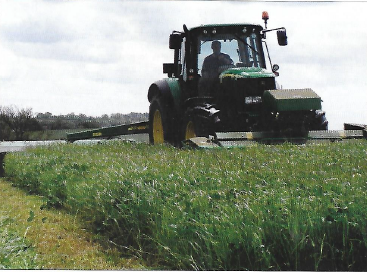
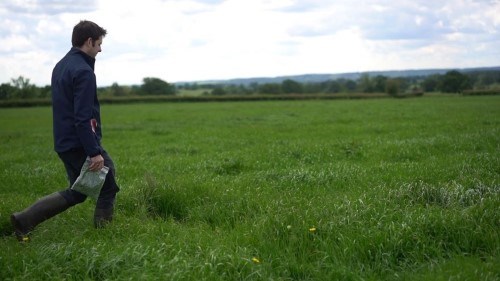
Take a representative Pre-Cut fresh grass sample that comprises of 10 sub-samples taken in an 'X' pattern across the area (two samples at each point on the 'X'). These should be cut with scissors at mower height and then placed into a sample bag.
Clearly label the sample bag with the customer name and sample reference, and complete a forage sample request form including:
Post the sample as soon as possible to the Trouw Nutrition GB laboratory.
N.B. Avoid sending samples on a Friday to avoid delays in the analysis if the sample is received over a weekend.
A video explaining how to take grass samples for analysis at the Trouw Nutrition GB laboratory.
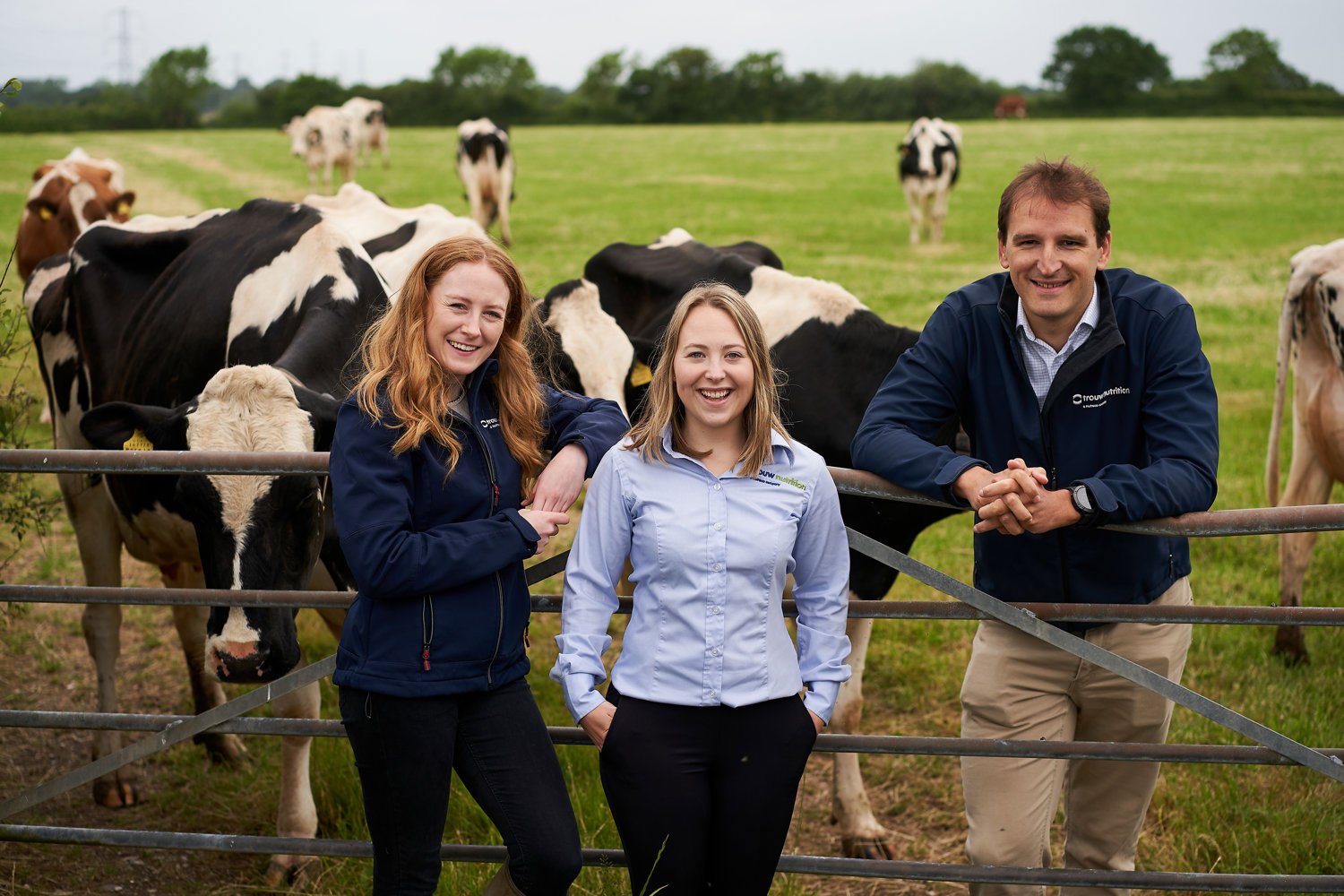
Our Ruminant team consists of:
Mark Hall - Commercial and Technical Manager Ruminants
Alicia Wilson - Technical Sales Manager
Isabelle England - Technical Account Manager
Helen Torrens - Technical Advisor