Sampling
Feed samples are collected directly on-farm or at the feed mill.
Feed samples are collected directly on-farm or at the feed mill.
Total Mixed Ration (TMR) is essential in modern ruminant nutrition, delivering balanced nutrients in every bite. However, its complexity also makes it vulnerable. With multiple ingredients and constant exposure during storage and feeding, TMR can become a source of mycotoxins, harmful bacteria, and spoilage organisms like yeasts and molds.
Feed safety is a major hidden risk in dairy production. Contaminants such as mycotoxins and microbes interact, amplifying their impact on animal health, performance, and profitability. The TMR360 program addresses this by providing integrated analysis of mycotoxins and microbial contamination—including yeasts, molds, enterobacteria, and pathogens—to protect feed quality and farm performance.

The TMR360 program is a comprehensive feed risk assessment developed by Trouw Nutrition to evaluate and manage hygienic challenges that can compromise the safety and quality of dairy TMR.
It provides an integrated analysis of mycotoxins and microbial contamination, including yeasts, molds, Enterobacteriaceae, and pathogenic microorganisms. These contaminants can negatively affect feed stability, animal health, and performance—ultimately reducing income over feed costs and overall farm profitability.
By combining advanced laboratory diagnostics with expert technical interpretation, TMR360 enables farmers, producers and nutritionists to:
TMR360 provides a comprehensive overview of feed safety risks in animal feed by:

Advanced analysis
Samples are analysed for a wide range of mycotoxins and microbes using reliable laboratory methods.

Expert evaluation
Results are reviewed to assess contamination levels and potential risk.


Mycotoxins are toxic secondary metabolites produced by fungi and are commonly found in silages, grains, and by-products used in Total Mixed Rations (TMR).
Common mycotoxins and their impacts include:
Co-contamination is the rule, not the exception. Multiple mycotoxins frequently occur simultaneously, and even at low concentrations they can interact synergistically, amplifying their negative effects on animal health and productivity.
In addition to mycotoxins, microbial contamination can significantly impact feed quality, animal performance, and health.
Primary microbial risks include:
Together, microbial contamination and mycotoxins can compromise feed hygiene, nutritional value, animal health, and farm profitability, making comprehensive monitoring essential for effective feed risk management.

Even when individual contaminants are below recognized risk thresholds, their combined effects can significantly amplify negative outcomes.
In lactating cows, a TMR containing a spectrum of low-level mycotoxins can markedly suppress milk production and reduce dry matter intake—often more severely than exposure to the same toxins individually.
At the same time, the presence of mycotoxins alongside spoilage organisms like yeasts and molds can impair rumen fermentation, reduce fiber digestibility, and compromise the rumen’s natural detoxification capacity.
Mycotoxins also affect more than digestion. They can disrupt gut barrier function and weaken immune responses, creating favorable conditions for harmful bacteria to grow and spread.
It’s not just the level of contamination—it’s the interaction. Small risks, when combined, can have a major impact on performance and profitability.
Evaluate silages, grains and by-products for visible defects, microbial load, dryness, and prior spoilage history.
Consider agronomic, harvest, and storage conditions, including weather stress, field contamination risk, silo density, packing quality and oxygen exposure during storage. Each of these factors can have an impact on mycotoxin contamination and microbial growth.
The quality of the ensiling process of can be improved by ensuring rapid anaerobic conditions, correct chop length, adequate compaction, and the use of suitable inoculants to promote lactic‑acid–dominated fermentation.
Monitor the pH of a silage and ensure stability and hygiene. A fast pH decline and minimal aerobic activity in a silage clamp reduce the risk of yeast and mold proliferation and subsequent toxin formation.
TMR360 helps shift feed management from a reactive to a proactive approach, supporting safer rations, heathlier cows and a more sustainabble dairy performance.
TMR360 is a trusted analytical service, combining:

 Nutritional interpretation & insights

Integrity-driven tailored support and advice

For more information on TMR360, contact your local Trouw Nutrition representative today!
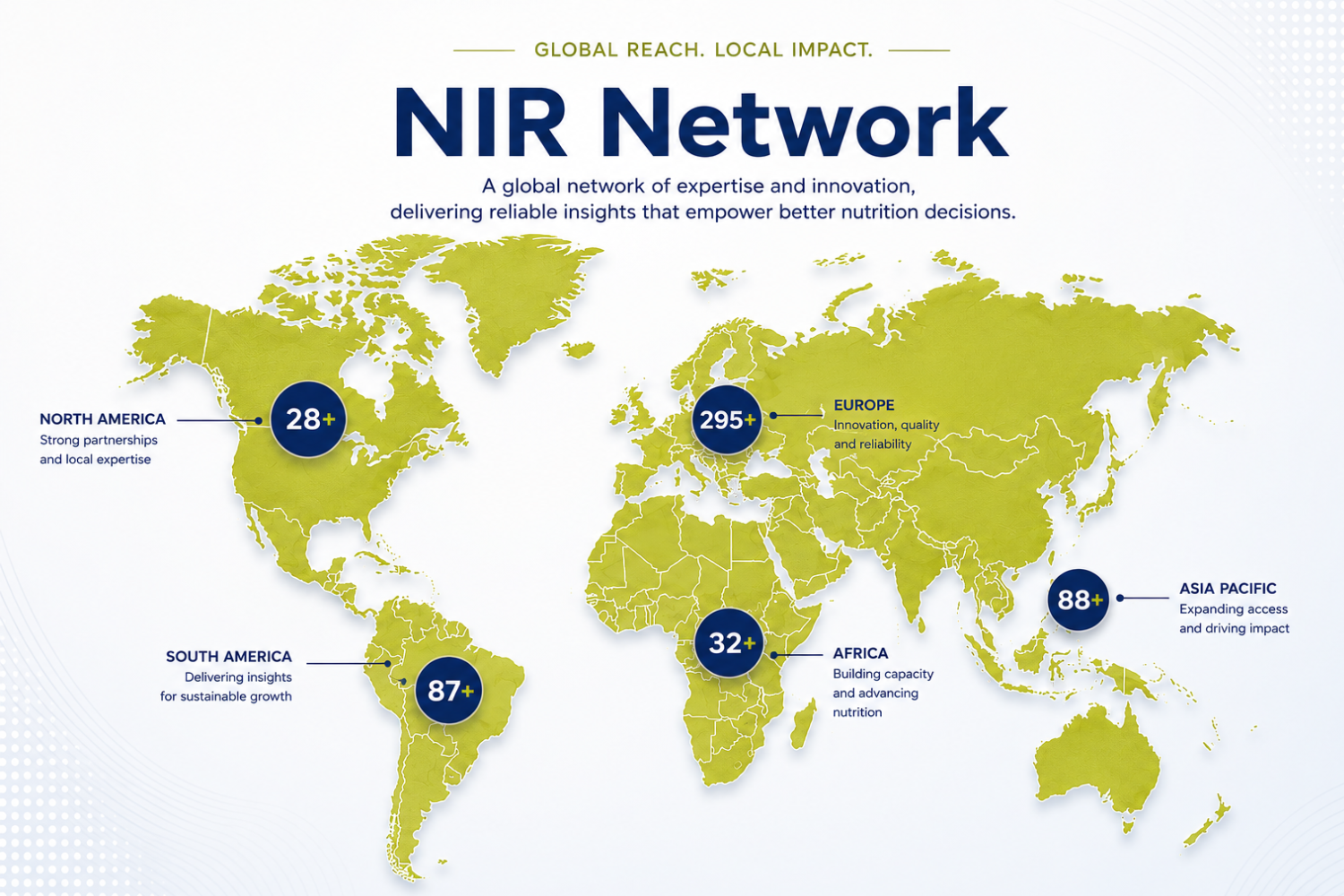
Trouw Nutrition offers a global network of accredited laboratories, helping feed and livestock producers design sampling and testing programs tailored to their specific operations. Each year, the organization processes around 50,000 samples and conducts over 200,000 tests, supported by a team of 61 specialists.
Through the TMR360 program digital portal, producers can easily access, review, and interpret their results. With guidance from local experts, they can take timely, targeted actions to improve feed quality, safeguard animal health and performance, and strengthen overall farm profitability.
Operating with a strong international footprint, more than 60% of samples originate from outside domestic markets. The service supports over 20% of Nutreco customers and contributes significantly to the company’s broader portfolio, while a small share (around 2%) comes from external, non-Nutreco clients.